


 1-Hour Response Time
Safeguarding Floors During Water Damage Restoration in Troy, MI
Water Damage Can Put Your Floors at Risk
You walk into the kitchen and spot a puddle near the dishwasher. Or maybe a storm sends water through a roof leak and down into the living room. At first, the floor might look like the biggest problem. But there’s often more going on underneath. Water damage restoration in Troy, MI involves more than removing surface water. It also means finding hidden moisture and protecting the flooring and structure beneath it.
At All Dry Services of Metro Detroit, we know how quickly water can move through a home. Hardwood, carpet, laminate, and other flooring materials can all react differently to moisture. Quick attention can help limit damage and give your floors a better chance of recovery.
Why Water Damage Can Be Hard on Your Floors
Water Can Get Below the Surface
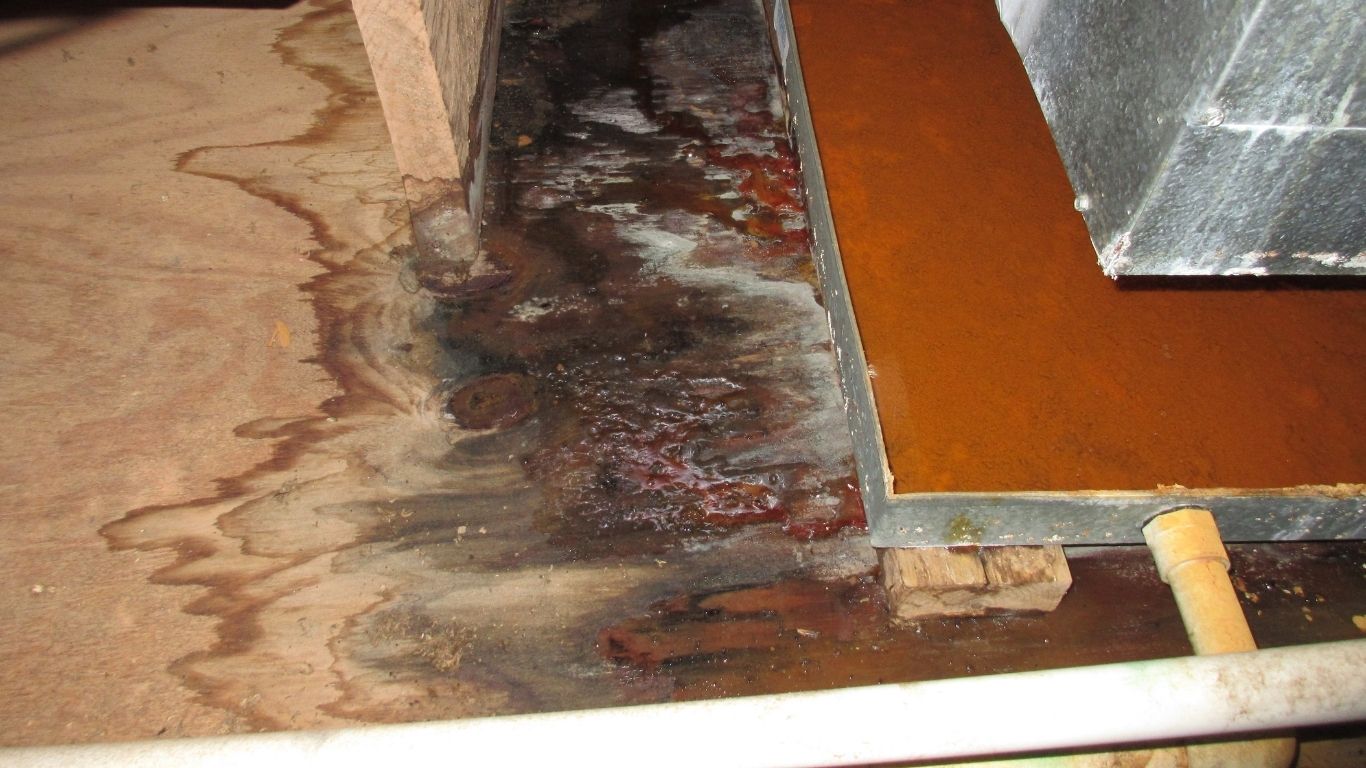
Water doesn’t always stay where you see it. It can move beneath flooring, soak into carpet padding, and reach the subfloor. Once moisture gets below the surface, it becomes much harder to spot.
This hidden moisture can cause trouble even after the floor looks dry. Wood can take in water and start to swell, sometimes quietly. The carpet pad can hold on to moisture for days as well, and then it shows up later. Even the subfloor may remain damp, and that can lead to unpleasant odors or other complications afterward.
That’s why a professional inspection matters after a leak or flood. Water damage restoration in Troy, MI should address moisture throughout the affected area, not just the water you can see.
Different Floors React in Different Ways
Every flooring material handles water differently. Depending on the type of flooring, you may see:
- Hardwood: Moisture can cause swelling, warping, gaps, or buckling.
- Laminate: Water can cause planks to swell or separate at the seams.
- Carpet: Carpet and padding can hold a surprising amount of moisture.
- Tile: The tile itself may look fine while water reaches grout, adhesive, or materials underneath.
Understanding these differences helps restoration professionals determine the right approach for each room.
What Can Happen When Wet Floors Sit Too Long
Warping and Buckling
Wood and laminate flooring can change shape when they absorb too much moisture. You may notice raised edges, gaps, or areas that no longer sit flat.
The longer moisture remains, the harder it can become to restore affected materials. Quick professional attention may reduce the damage and prevent the problem from spreading.
Mold and Musty Odors
Moisture also creates conditions that support mold growth. Damp carpet, wood, drywall, and other materials can develop a musty smell when they don’t dry properly.
Mold is not always noticed right away, sometimes its that odd smell that shows up first like a little hint that moisture is still hanging around some place you really cannot see. Professional drying helps reduce that moisture before it turns into other issues, and that can really matter.
Subfloor and Structural Concerns
Your finished flooring isn’t the only thing at risk, because water can sneak underneath and travel down to the subfloor. If moisture lingers, these materials can weaken, and you may need more extensive repairs.
That’s one reason you shouldn’t judge the severity of water damage by looking only at the floor.
How Professional Restoration Helps Protect Your Floors
Inspection and Moisture Detection
Professional restoration starts with a close look at the affected areas. Technicians check the flooring, walls, and nearby materials for signs of moisture.
Moisture meters and other professional tools can help identify damp areas that don’t look wet. This information helps determine where drying is needed and how extensive the damage may be.
Controlled Water Extraction
Standing water needs prompt removal. Professional extraction equipment removes water much faster than regular household tools.
Fast extraction matters because flooring can continue absorbing water while it sits on a wet surface. Removing that water early can help limit additional damage.
Drying and Dehumidification
Water extraction doesn’t always finish the job. Moisture can remain inside flooring, walls, and subflooring after standing water disappears.
Professional air movers along with dehumidifiers help draw out that lingering moisture from the damaged materials and also the surrounding air. Restoration teams can also monitor moisture levels during drying instead of guessing when an area feels dry.
Cleaning and Restoration
Water damage can leave dirt, debris, and unpleasant odors behind. Depending on the water source, affected areas may also need specialized cleaning and sanitizing.
Once the area dries, restoration professionals can determine whether flooring needs repair, cleaning, or replacement. The goal is to restore the space while protecting materials that can still be saved.
Why Professional Water Damage Restoration Matters in Troy
Local Weather Can Create Water Problems
Troy homeowners deal with plenty of weather changes throughout the year. Heavy rain can overwhelm drainage systems, while winter snow and spring thaw can introduce additional moisture around homes.
A small roof leak, basement issue, or plumbing failure can quickly become a flooring problem. An early assessment can prevent a manageable issue from becoming a much larger repair.
Faster Response Can Limit Damage
Time matters when water reaches your floors. The longer materials stay wet, the more moisture they can absorb.
Professional water damage restoration in Troy, MI helps address the problem quickly through extraction, drying, and moisture monitoring. Early action can also reduce the chance of mold growth, musty odors, and damage to materials beneath the floor.
Professional Equipment Makes a Difference
Household fans can move air a bit, but they don’t really give the same level of drying control that you get with professional equipment. Restoration companies use commercial tools designed to eliminate moisture from both the air and the materials that are impacted.
That difference matters when water has traveled underneath flooring or into areas you can’t easily reach.
How All Dry Services of Metro Detroit Can Help
A Complete Restoration Approach
At All Dry Services of Metro Detroit, we look beyond the visible mess. Our restoration approach focuses on identifying the extent of the damage, removing water, drying affected areas, and determining what needs further restoration.
Our work can include:
- Assessing visible and hidden moisture
- Removing standing water
- Drying affected flooring and building materials
- Monitoring moisture levels
- Cleaning affected areas
- Assisting in identifying which materials require repair or replacement.
This approach helps homeowners see what’s happening. It keeps them from guessing if the floor has dried.
Protecting More Than the Floor
Flooring often gets the most attention, but water can affect much more. Walls, furniture, insulation, belongings, and structural materials may also need inspection.
Taking care of the whole affected area helps make the recovery feel more complete, because you know the full picture. Water damage restoration in Troy, MI isn’t simply about making a wet floor look dry. It’s about restoring the property and reducing the risk of problems that could show up later.
Protect Your Floors Before Small Water Problems Become Big Repairs
A small amount of water on the floor might not look like a big emergency but the whole vibe of it can be a little misleading. Moisture can sneak under the flooring and hang around for longer than you expect, even after the surface feels completely dry.
If your Troy home ever sees a leak, flooding, or storm-caused water intrusion, professional water damage restoration in Troy, MI can help find the concealed moisture and protect your flooring and more. At All Dry Services of Metro Detroit, we recognize how overwhelming unforeseen water damage can feel, and we’re here to help homeowners get their spaces back to normal.
To stay current with us, please follow our Facebook and Instagram pages.