


 1-Hour Response Time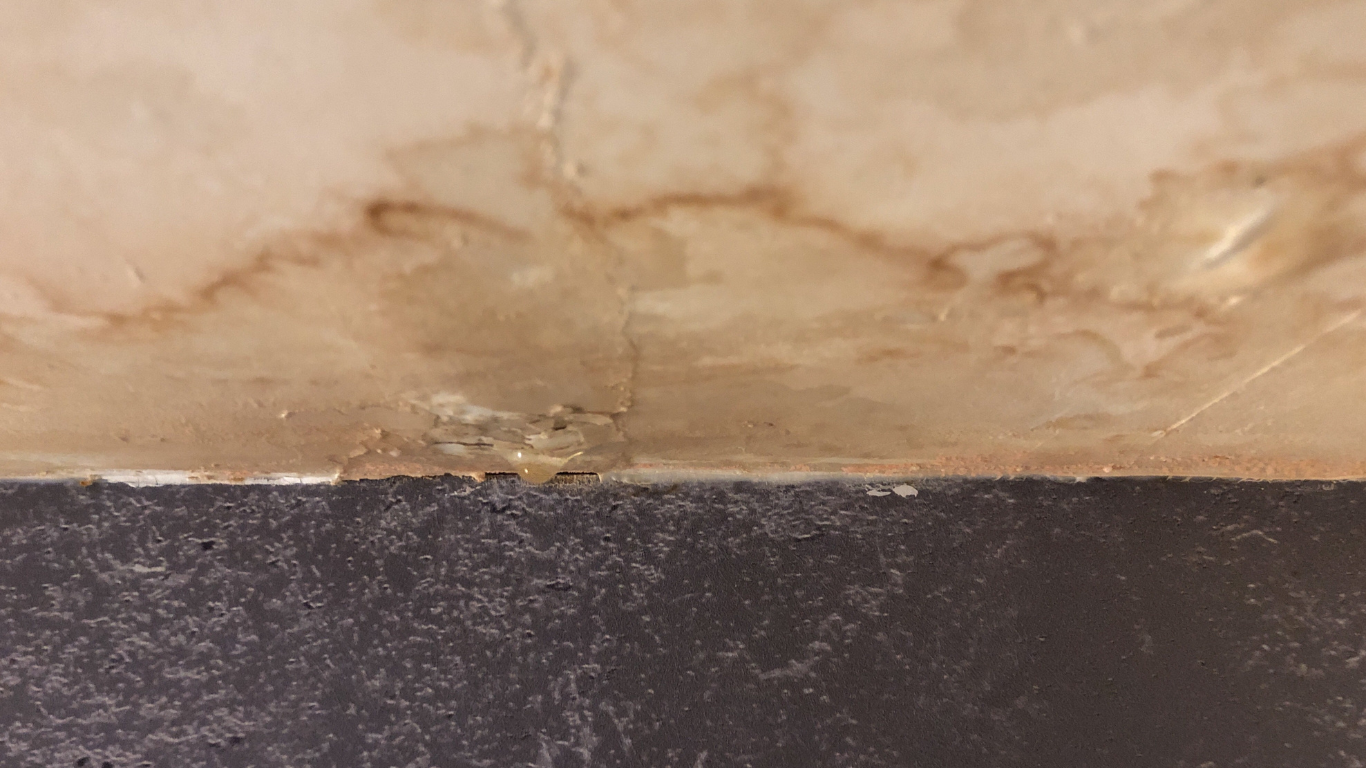
Seven Signs You May Have a Hidden Water Leak in Sterling Heights, MI
A hidden water leak can feel like a small problem until it quietly turns into warped floors, stained ceilings, or even mold. In Sterling Heights, MI, seasonal temperature swings and busy household plumbing can make “out of sight” leaks more common than you’d think.
If you suspect a hidden water leak, catching it early is the difference between a simple fix and a major cleanup. Below are the top seven indicators you should look out for, along with what action to take next to minimize any harm done and safeguard your property.
1) Your water bill jumps (and nothing changed)
The first indication can be an unexpected spike in your water bill. If your consumption pattern hasn’t changed and you haven’t installed any additional devices, have additional visitors, or increased lawn watering, then water may be seeping out through some unseen point.
What to do: Compare the last 2,3 bills. If the spike is consistent, move to the water meter test in the actionable section below. If the meter indicates flow when everything is off, it’s time to consider professional leak detection.
2) You hear water when everything is off
These could be sounds caused by dripping behind walls, a small leak from a pipe due to pinholes, and an ever-so-slight leakage from a toilet that would cause a “running water” noise.
Quick check: Turn off all faucets, showers, dishwashers, washing machines, and confirm the toilet isn’t refilling. Then listen near bathrooms, the kitchen, and any wall that backs up to plumbing lines.
3) Damp, bubbling, or stained walls and ceilings
Water doesn’t always drip directly down. Water can flow down the sides of framing, insulation, and drywall joints until it finally becomes:
- Yellow or brown stains on ceilings
- Paint that bubbles, peels, or cracks
- Drywall that feels soft or looks swollen
This is where a hidden leak stops being “just annoying” and becomes a property damage issue. If materials are wet, professional water damage restoration can help dry affected areas correctly and reduce the risk of long-term problems.
4) Floors feel warped, spongy, or suddenly uneven
Leaks under bathrooms, kitchens, or laundry areas usually appear on the flooring. They include:
- Laminate lifting at seams
- Wood floors cupping or crowning
- Tile that feels loose or sounds hollow
- Carpet that’s damp or smells musty
Why it matters: Dampness below the floorboards may continue to exist even after the floors have dried up. This is when foul smells may develop, and microbes start growing, both of which require odor cleaning, sometimes followed by mold cleaning.
5) A musty odor that won’t go away
A musty smell, particularly in a certain room or closet, or even a wall in your home, is a typical indicator of water when you do not see any. While there might be no visible water, drywall, wood, or insulation can absorb water and produce the musty smell.
What to do: Don’t just hide it by using air fresheners. Trace the smell to its most intense point and note any indicators around it, such as stained spots, moisture, or spongy areas. Should the odor be present for several days, it’s worth escalating to leak detection so the source can be identified before the problem spreads.
6) Mold spots, allergy flare-ups, or increased humidity
Even a slow leak can increase indoor moisture levels and create an environment where mold will thrive, often behind baseboards, under sinks, or even within walls. The first “signal” may actually be your body’s reaction to the mold: congestion, red eyes, or headaches that go away after you have left the area.
What to do: In case there are spots of moisture found on drywalls, baseboards, or near vents, you should not disturb them because removing them without correcting the moisture problem is normally just temporary. In situations where moisture and mold go hand in hand, mold removal and remediation involves more than cleaning.
7) Water shows up where it shouldn’t (especially after storms)
Not all hidden leaks are necessarily water-related. In Sterling Heights, heavy precipitation and rapid snowmelt can cause water to enter through cracks in the foundation, window wells, and poor drainage. If you see signs of moisture after precipitation or melting snow, you probably have issues with both intrusion and seepage.
Related services that may apply: If water enters from outside, storm damage restoration and flood damage restoration can help address the aftermath, especially when water saturates building materials and contents.
How to confirm a hidden water leak: a simple step, by, step check
If you’re seeing one or more of the signs above, here’s a practical way to narrow it down before calling for help.
Step 1: Do a water meter test
Locate your water meter (often in a basement, utility area, or meter pit). Turn off all water, using fixtures and appliances. Then:
- Take a photo of the meter reading (or note the numbers)
- Wait 30,60 minutes without using water
- Check the meter again
If the reading changed, water is likely flowing somewhere, so you may be leaking.
Step 2: Check the usual suspects (without tearing anything open)
Walk through the home and look for easy, to, miss sources:
- Toilets that run intermittently
- Water under sinks or around supply lines
- Drips at the water heater base or nearby fittings
- Wet spots near the washing machine hookups
- Condensation that seems excessive on pipes
If you identify that there is still active moisture, dry the area and check again after some time. It will give you an indication.
Step 3: Protect the area and limit damage
During your search for a problem, here are some steps to take that may help avoid future problems:
- Shut off the home’s main water supply if you suspect an active leak
- Move belongings away from damp walls or floors
- Place towels or a container to catch drips if accessible
Run ventilation to reduce humidity (without “baking” wet materials)
If water has soaked into drywall, flooring, or insulation, quick drying is important. That’s when water damage restoration becomes extremely useful. Quick drying reduces the risk of lingering odor and secondary damage.
When a leak becomes an emergency (don’t wait)
Some situations are more than a “keep an eye on it” problem. Treat it as urgent if you notice:
- Ceilings sagging or actively dripping
- Water near electrical outlets, lights, or your breaker panel
- Standing water in a basement or lower level
- Any sewage smell or backup
If water is contaminated (for example, from a backup), it’s not a DIY cleanup. Sewage cleanup is designed to address the safety steps and specialized cleaning required in such scenarios.
How professional help fits in (and what to ask for)
If you detect a leak using your meter test or see evidence of damage, professional leak detection can help identify the leak with certainty. With the leak taken care of, the next step is to ensure the house is properly dried out.
Depending on what happened, the right service may include:
- Water Damage Restoration to dry and restore affected materials
- Flood Damage Restoration if water entered and spread across floors or into lower levels
- Storm Damage Restoration when weather-driven water intrusion is involved
- Mold Removal and Remediation if moisture has led to mold growth
- Odor Removal for persistent musty smells after drying and cleanup
- Sewage Cleanup if the water source is contaminated
When you make the call, describe what you’ve noticed (bill changes, odors, stains, where it’s worst, and how long it’s been happening). This information will be useful for diagnosing and preventing missed moisture issues.
A hidden leak is frustrating because it rarely announces itself clearly. However, if you’re able to spot it, then these signs are definitely there. If you’re living in Sterling Heights and you notice any of these signs, do something about it immediately: confirm it with a meter test, protect the area, and bring in leak detection and restoration help before a small issue turns into widespread damage.
To stay current with us, please follow our Facebook and Instagram pages.